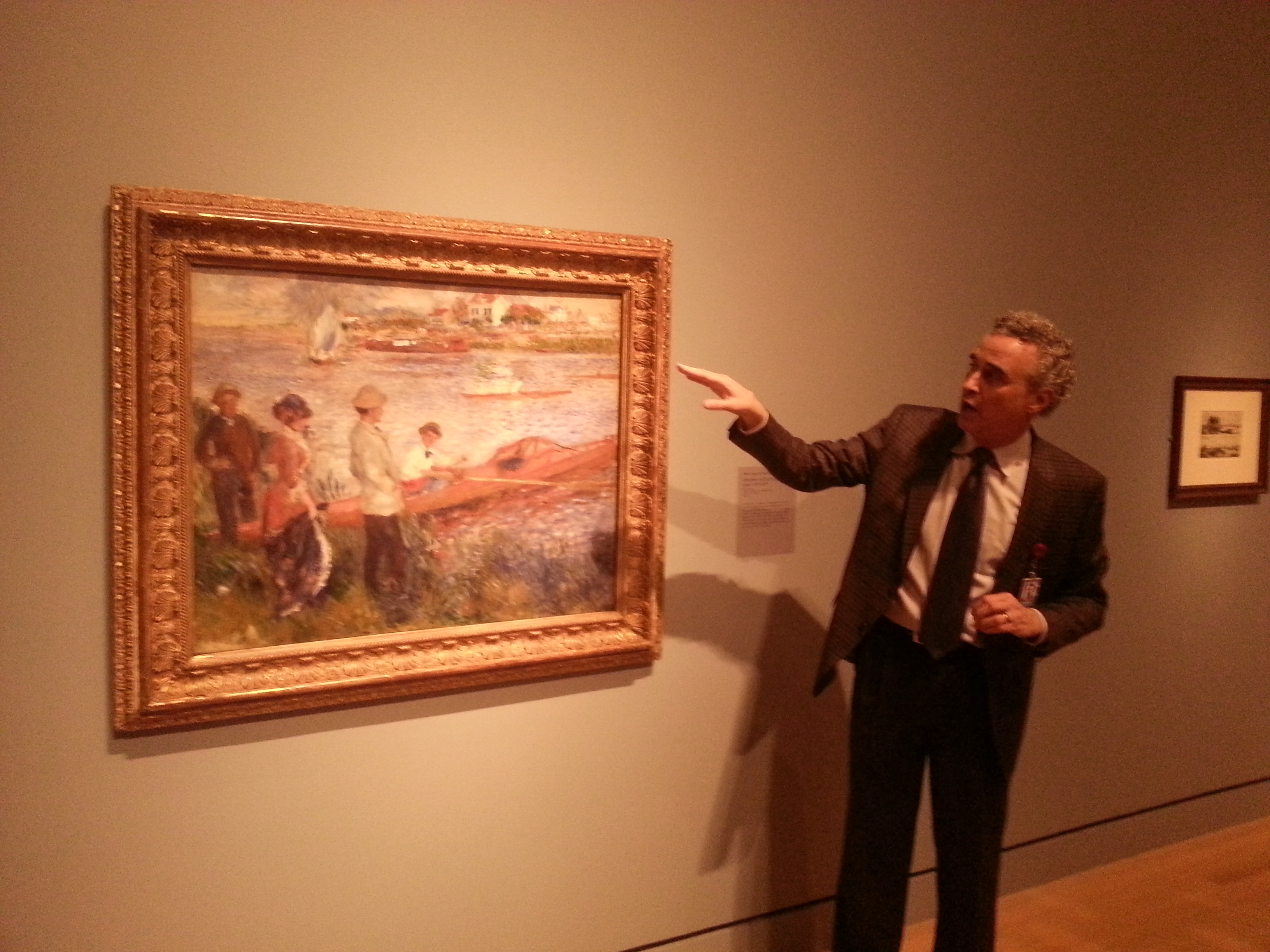
Values of rarities are only perceived ones and are subjective to the beholder. Only two people have to have this perception, the winning bidder and the under-bidder. Proven history shows that auction is a great method to sell rare items, people fight with their money to claim their prize. Read more →
Around two dozen years ago, I attended an auction that was being conducted by a legendary auctioneer, Dick Withington, of New Hampshire. Dick was a real character, and he had an amazing memory. If you bought an item at his auction, he would ask your name, and he never forgot it. You could walk into an auction of his five years later, bid on another piece, and he would say “Sold to John Doe”, he always got it right. He refused to use bidder numbers like everyone else until he was late in his 70s.
Seldom do I blog about any of the podcasts, but as I am sitting at O’Hare Airport, I decided to write about my experience at the Randolph Street Market in Chicago. I had more than an excellent time podcasting at the 10th anniversary celebration, Memorial Day Weekend.
In a conversation a nearly 4 years ago with Eric Bradley, (formerly the editor of Antique Trader), he mentioned that I needed to do a podcast with Sally Schwartz. He told me that she was fun and a real Chicago icon in the antiques world.
I found out Sally was all of that and more. Rarely do you meet someone that is entrepreneurial, follows her dreams and make things happen the way Sally does. This market is just one of her great events, she is a very busy woman and somehow keeps it all together. The connection I have made with Sally has certainly enriched this podcast, and my life. By the way, she really does have a great sense of humor. Read more →
A look at how antiques connect us to forgotten lives of the past
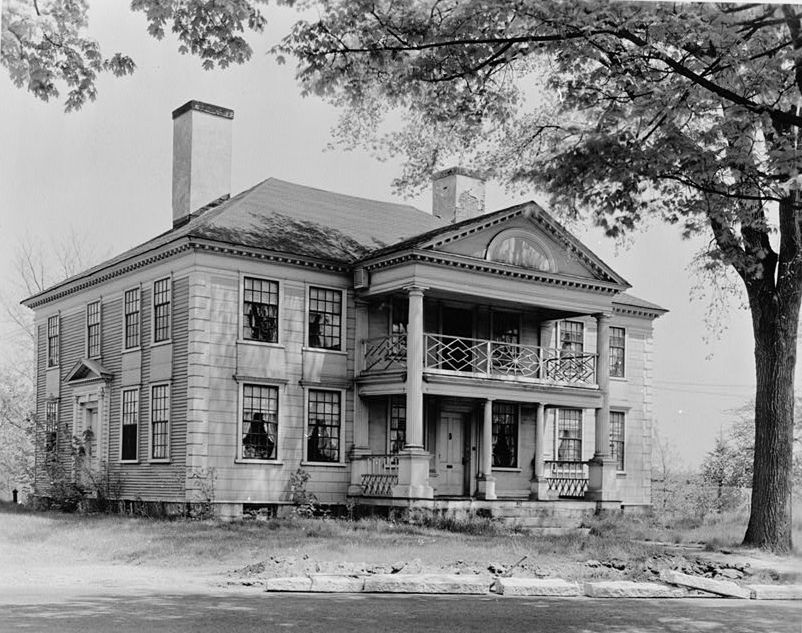
The Historic 1790 House, Woburn, MA
I was walking my dog this morning on the property of the 1790 House, which is a fine colonial structure in Woburn, Massachusetts that houses the auction company’s office. The property is right next to Rt. 128, which is always very noisy with a constant stream of traffic flowing north and south.
The historic house borders the Middlesex Canal, which was a concept that became a reality in the late 18th century. The canal connected Boston Harbor to the Merrimack River and had 20 locks with the average depth of 3 feet. Barges pulled by oxen transported many goods all the way to Concord, NH and back. The main function of the canal was to transport timber for shipbuilding from the virgin forest of New Hampshire to Medford, Mass. When the canal was built, it was a very substantial feat of engineering for that time.
As my dog and I walked near the canal, we came to some brush that my dog decided to walk into. I forced my way through the thicket to find my dog, and came upon a magnificent chiseled granite post protruding out of the ground. It had a hand hammered and rusted iron eyelet near the top for rope lashing. I wondered when the last time was that someone saw this post lost in time. I realized that objects like these, along with antiques are connections to the forgotten lives of the past.