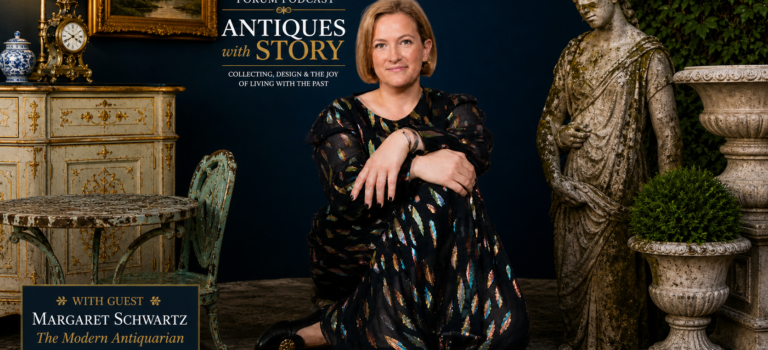
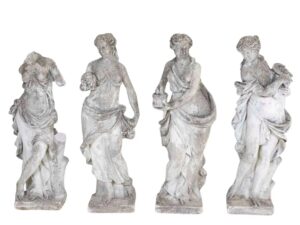
Margaret Schwartz, known as The Modern Antiquarian, joins me to talk about how she went from a spontaneous antiques tour to filling a 20 foot container in a single day and launching a successful business. We discuss what it really takes to learn the trade, including early mistakes, pricing challenges, and how to spot reproductions in a market where fakes can easily fool newcomers. Margaret also shares her shift into garden antiques, from Four Seasons figures to cast stone and fountains, and what continues to drive demand today. A big part of the conversation centers on something we both strongly believe, antiques are meant to be used and lived with, not locked away. From everyday use of inherited pieces to embracing wear as part of an object’s story, this episode highlights the personal connection that makes collecting meaningful. Margaret also reflects on her time working with Martha Stewart and how that experience shaped her eye for design, presentation, and storytelling. We also touch on buying online versus in person, the rise of platforms like Facebook Marketplace, and what the future may hold for the antiques trade, making this a thoughtful and engaging conversation about collecting, design, and the stories objects carry through time.
https://www.modernantiquarian.com

 What started as just another estate auction turned into one of the most shocking results I’ve ever seen. A worn, heavily used 18th-century Bible, something most people would overlook, ended up selling for nearly $200,000. And the most incredible part? It started at just $1. In this conversation with Dan Meader of John McInnis Auctioneers, we break down exactly how this extraordinary result came together; Dan and his colleague Jay Williamson sorted through a typical New England estate and they ultimately uncovered a rare 1777 Boston-printed Bible tied directly to the American Revolution. Along the way, we discuss why “old” doesn’t always mean valuable, how the auction method can exceed expectations, and what truly drives collectors to push prices to extraordinary levels. This is a perfect example of why the auction method works—and why you should never underestimate what might be hiding in plain sight. If you enjoy antiques, history, and real-world appraisal stories, this one is not to be missed.
 If you’ve ever been at a flea market looking at some old glass bottle and wondered if it was something super valuable or just something that would end up in the recycling, then you know exactly how it feels. That’s basically what bottle collecting used to be, with people mostly guessing, remembering little bits of advice from here and there, and sometimes checking out an old guidebook; and even though everyone was really into it, it didn’t really feel like anyone was connected. The majority of collectors just figured things out on their own through trial and error or by getting lucky and talking to someone who knew just a little more than they did.
 In this reflective episode, Martin explores how antiques connect us to the forgotten lives of the past. A chance discovery of a granite canal post near a historic 1790 house sparks a deeper meditation on craftsmanship, stewardship, and legacy. From 18th-century canal workers to New England cabinetmakers, the objects that survive today are more than decorative artifacts — they are physical evidence of human effort, ambition, and care.
 This is a short podcast on my observation. Each week I hear the same unsettling phrase: “My kids don’t want my antiques.” It’s a reflection of a larger shift — fewer young people feel emotionally connected to the objects of the past, and categories like formal dining furniture, china, and traditional collections have taken a hit. Is it the internet, changing lifestyles, disposable culture, or simply shifting priorities? In this episode, I explore what’s really happening in the antiques world, whether we’ve lost something along the way, and why a hopeful email from a 14-year-old listener might signal that the next generation of collectors is already quietly forming.
 A Boston mahogany linen press has just shattered expectations, soaring to a price level rarely seen in today’s market for American brown furniture. In this episode, Martin breaks down the remarkable sale at