How Online Communities Saved Niche Bottle Collecting

by Jennifer Dee                                                                                                                                                      

If you’ve ever been at a flea market looking at some old glass bottle and wondered if it was something super valuable or just something that would end up in the recycling, then you know exactly how it feels. That’s basically what bottle collecting used to be, with people mostly guessing, remembering little bits of advice from here and there, and sometimes checking out an old guidebook; and even though everyone was really into it, it didn’t really feel like anyone was connected. The majority of collectors just figured things out on their own through trial and error or by getting lucky and talking to someone who knew just a little more than they did.                                                                                                                                                                                                        

The Internet Opened the Attic Door                                                                                  

Then the internet changed everything. Suddenly, collectors who once searched alone could gather in one place. A photo of an unusual embossing or pontil mark could be shared with people across the country—or across the world—within minutes. What used to take months of hunting through books or waiting for the next bottle show could now happen over a cup of coffee at your kitchen table. And if you’re anything like most collectors, you’ve probably had that moment when someone online identifies a bottle you’ve puzzled over for years.                               Read more
The Next Generation

by Lee Kalfon

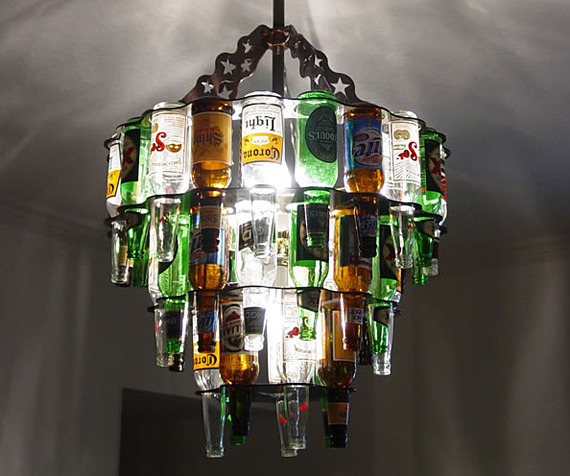
chandelierOne of the most pressing issues in our industry today, and one near to my heart, is how to engage the next generation of auction goers and antique collectors. I have read a good many articles on how the younger generations; the millennials in particular don’t care about antiques. All too many times I’ve heard “kids these days would rather have a cell phone than a bedroom suite”. Frankly I am starting to take offense. I am a millennial. I am 25, and yes, I own an IPhone, but I also work for an auction house. I care about antiques, vintage, and preserving our material culture for the next generation. Maybe I’m an anomaly, but I don’t think so.

Read more

Pieces of History on Display in New York City Real Estate Office

by Ken Torrino

Here are a few things you’d think you would never see in a New York City real estate office:

Yet, we’d be wrong.  Right now, these and other historical documents can be found on display in the Madison Avenue gallery of Douglas Elliman, a premier New York City real estate agency.  It’s a week-long promotion that will lead to an auction consisting of 300 lots filled with personal documents that belonged to historical figures from King George III to Joe DiMaggio.

Read more

Collecting Magic

by Michael Lauck

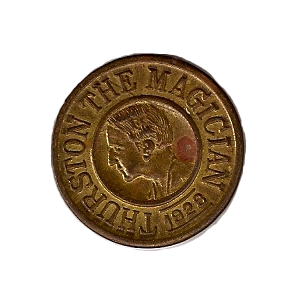
            Over the last few years it seems like there has been an increased interest in collecting the bizarre and odd, particularly the oddities of yesterday. As collecting the artifacts of the carnival midways, sideshows and traveling medicine shows gain popularity, so does the popularity of these entertainments’ (only slightly) more refined cousin, magic. Although magic and illusion have been popular entertainments for centuries, the hey day of stage magic was arguably around the turn of the last century. This period has left us a legacy of beautiful advertising material, souvenirs and actual stage props. The problem is that magic, by its very nature, is secretive which compounds the normal problems that come with antique verification. Many items sold as magic props, such as puzzle boxes and two headed coins, are actually novelties or gambling items. If you are not a magician (and sometimes even if you are), it can be very difficult to spot a legitimate prop and even harder to tell something relatively old. However, props are only one of the types of magic related antiques you may find.

  Read more

Vintage Cartoons: Humor Through The Ages

by Eve Sparrow

A decidedly interesting part of antiques and collectables is art. In years past there have been stories of paintings or other ephemera relating to artists that have sold for record sums. Some people may argue that it’s silly money, but others take a real interest in it. One aspect of artwork that very often gets neglected, but is just as valid and worthy as expensive paintings, is that of vintage cartoons and an upcoming auction on 18th October is going to be showcasing and hopefully selling, some of the most interesting ones from recent years. Read more

Pinpoint the Unearthed Antique with a Metal Detector

By Michael Bernzweig

Growing up, my mother had a houseful of antiques—which I not-so-affectionately referred to as junk. I felt embarrassed when my friends referred to our house as a museum. Moreover, I had no idea that these items held value. My concern was that I had to help dust around all of these “trinkets” and field questions about their origin. My mom collected old medicine tins and bottles, tobacco tins, inkwells, kitchen spice tins and timepieces. She tried to explain what the colorful lithographs meant and why they were important: nostalgia, historical interest and face value. It was not until a friend asked me years later to join him relic hunting with a metal detector that my attitude toward antiques changed. Below is advice on selecting a relic metal detectors for locating antiques for readers of Antique Auction Forum from industry professional Michael Bernzweig of MetalDetector.com. Read more